
As the West Valley region of Phoenix continues to grow, understanding the anticipated housing market trends is essential for both potential buyers and investors. In 2026, the housing market is expected to be influenced by various economic and demographic factors, shaping the landscape for real estate investments. This article will explore the key trends and forecasts, giving readers insight into what to expect from the West Valley housing market. We will discuss the overall economic conditions, the impact of supply and demand, and identify the best neighborhoods for real estate investments. By addressing these aspects, we aim to provide a comprehensive outlook for prospective homeowners and savvy investors alike.
What is the 2026 Phoenix Housing Market Forecast for West Valley?
The Phoenix housing market forecast for West Valley in 2026 suggests a dynamic environment for real estate transactions. Home prices are projected to experience noticeable fluctuations influenced by demand, inventory levels, and economic growth. The overall sentiment among market analysts indicates a continuous upward trend in home values, albeit with potential market corrections that can arise from economic shifts. Understanding these projections can help potential investors make informed decisions while navigating the unique challenges of the West Valley market.
How are West Valley home prices expected to change in 2026?
West Valley housing prices are broadly expected to keep appreciating through 2026, reflecting robust demand in the region. The primary catalysts for this increase include steady job creation and an influx of new residents seeking affordable housing options compared to other areas of Phoenix. Additionally, local real estate experts emphasize that despite potential fluctuations, the long-term appreciation remains positive due to the area's continued development and amenities attracting homebuyers.
Which economic and demographic factors influence the West Valley housing forecast?
Several economic and demographic factors significantly influence the West Valley housing forecast. Job growth, especially in sectors like technology and healthcare, is contributing to increased demand for homes. Furthermore, demographic shifts, such as an uptick in younger families and retirees relocating to the area, are creating additional pressure on housing availability. These factors combined are expected to keep the market vibrant and responsive to evolving buyer needs.
What Are the Current West Valley Home Price Trends and Inventory Levels?
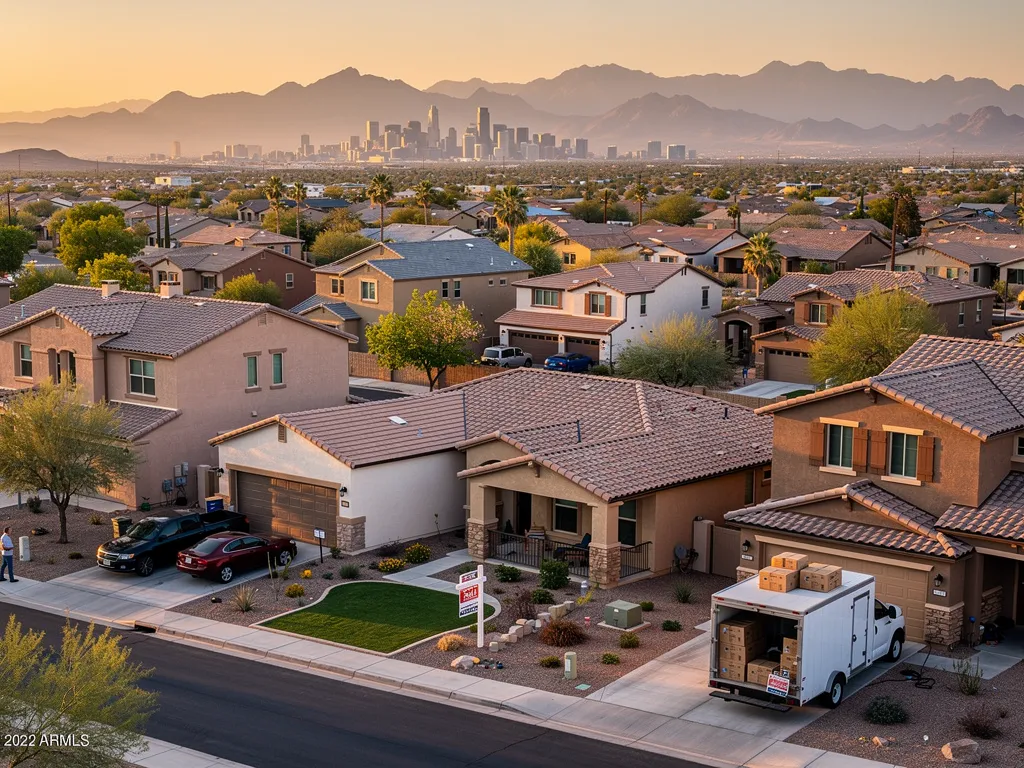
Current trends reveal a competitive market for home purchases in West Valley, with median home prices reflecting the ongoing demand. Inventory levels are closely tied to these pricing trends, making it essential for buyers to understand the nuances of the market. You can follow those numbers as they move with a current West Valley market snapshot.
How does housing supply and demand affect prices in West Valley?
Housing supply and demand directly impact prices in the West Valley market. As demand outpaces supply, home prices typically rise, leading to a more competitive buying environment. With fewer homes available on the market, potential buyers may face bidding wars, further escalating prices. Thus, understanding inventory levels is crucial for stakeholders looking to engage in the West Valley housing market.
What are the recent mortgage rate trends influencing West Valley housing demand?
Recent trends in mortgage rates have also had a noticeable effect on housing demand in the West Valley. Following a period of low rates, there has been a gradual increase, which may lead to a decrease in buying power for some consumers. Higher rates can deter potential buyers, resulting in a slower market pace, which could, in turn, create additional opportunities for those still in a position to invest in real estate.
Which Neighborhoods in West Valley Offer the Best Real Estate Investment Opportunities?
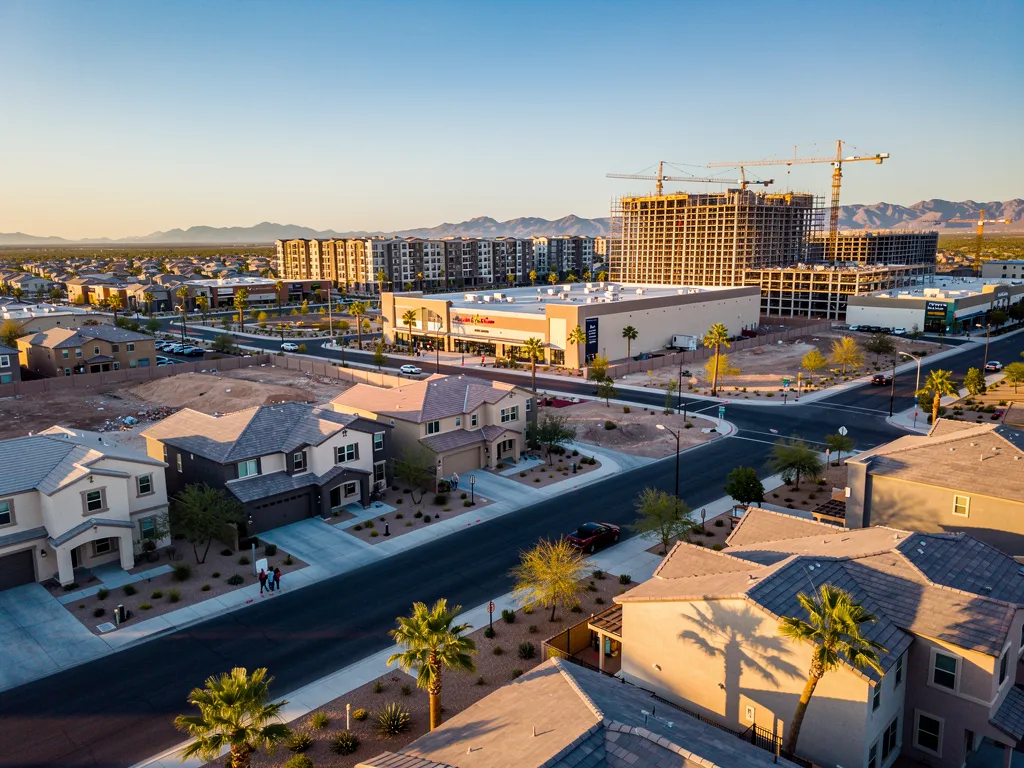
Identifying the neighborhoods that present the best investment opportunities in West Valley is critical for prospective buyers. Certain areas show promising growth due to ongoing developments and infrastructure improvements.
What are the key growth neighborhoods and development projects in West Valley?
Key neighborhoods in the West Valley include Goodyear and Surprise, known for their expanding amenities and new community developments — master-planned pockets like Marley Park in Surprise show what that growth looks like on the ground. Significant infrastructure projects, such as road expansions and commercial developments, are attracting families and investors alike. These neighborhoods are projected to appreciate considerably due to the ongoing investment in local infrastructure and community services.
How do Peoria AZ real estate trends compare within the West Valley market?
Peoria, AZ, stands out within the West Valley real estate landscape, showcasing unique market trends. While generally mirroring the trends of the West Valley, Peoria offers distinct pricing structures, often seen as slightly lower than surrounding areas. This pricing dynamic can present appealing opportunities for investors looking to capitalize on growth trends coupled with affordability, particularly in established communities such as Terramar in Peoria.
How Should Investors Approach the West Valley Property Market in 2026?
Investors seeking success in the West Valley property market must understand the challenges and opportunities presented by current market conditions. Formulating effective strategies is crucial to navigating this evolving landscape efficiently.
What risks and returns characterize housing market investments in West Valley?
Investing in the West Valley housing market entails specific risks and potential returns. Economic fluctuations, changes in interest rates, and local policy shifts can significantly affect property values and rental income. However, for those willing to conduct thorough research, the potential for strong returns exists, especially in burgeoning neighborhoods projected for growth and development.
Which investment strategies are tailored for West Valley's evolving market conditions?
Investors would benefit from employing strategies that align with the unique characteristics of the West Valley market. Focusing on durable properties in high-demand neighborhoods, leveraging favorable financing options, and staying informed on local market trends can all enhance investment success. Additionally, creating a diversified portfolio can mitigate risks associated with economic fluctuations while maximizing overall returns. Start by browsing active West Valley listings to see how today's inventory is actually priced.
What Are the Key Market Drivers Influencing West Valley Phoenix Real Estate?
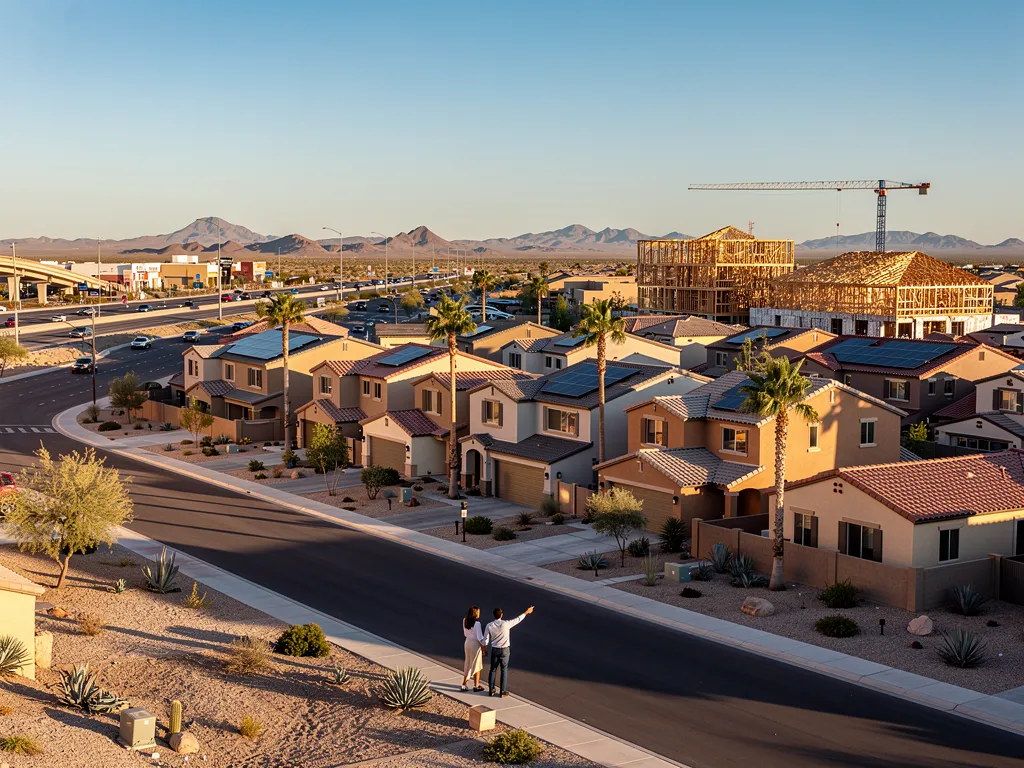
Several key market drivers influence the West Valley Phoenix real estate landscape, significantly shaping buyer behavior and investment potential.
How do local economic growth and employment trends impact the housing market?
Local economic growth and employment rates heavily impact the housing market as job creation leads to heightened demand for housing. Moreover, as companies establish operations in the West Valley, an influx of new residents enhances housing demand, thereby driving prices upward. Investors should closely monitor these trends to better anticipate market movements.
What demographic shifts are affecting housing demand in West Valley?
Demographic changes, including an increasing population and evolving family structures, are pivotal in shaping housing demand in the West Valley. As younger individuals and families seek out affordable housing within the area, the ongoing trend toward suburban living continues to influence market dynamics. Recognizing these demographic shifts allows investors to better align their investments with future buyer preferences. Owners thinking about selling into that demand can begin with a free West Valley home valuation.
What Frequently Asked Questions Do Homebuyers and Investors Have About West Valley Housing?
Homebuyers and investors often have common queries regarding the West Valley housing market, particularly concerning timing and economic conditions.
What timeline should buyers expect for market changes in West Valley?
Buyers in West Valley can expect subtle fluctuations in market conditions, generally aligned with seasonal trends. Historical data shows distinct peaks in activity during the spring and summer months, while the colder months may see slower movement. This timeline can help prospective buyers plan their purchases effectively.
How do mortgage interest rates affect buying power in the West Valley market?
Mortgage interest rates play a critical role in determining buyers' purchasing power in the West Valley market. As rates rise, potential homeowners may find themselves priced out of certain properties, leading to shifts in buyer strategies. Understanding this relationship will be essential for stakeholders planning their market approaches — run the numbers for your own budget with a mortgage calculator before you shop.
FROM OUR BLOG
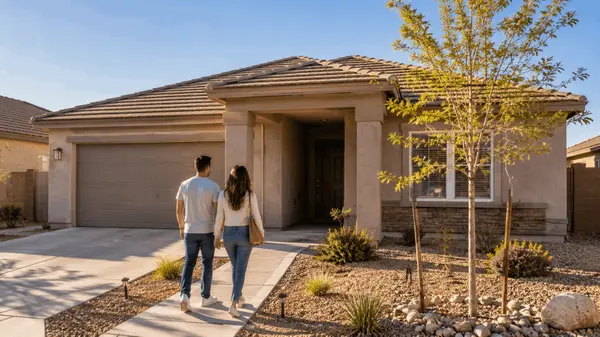
Living in North Glendale vs Peoria AZ: Which West Valley Suburb Fits You Best?
North Glendale and Peoria sit side by side in the West Valley, and buyers routinely tour both before deciding. They are genuinely similar on paper and quite different in feel. This comparison covers what actually separates them: housing stock and price positioning, the cost picture, recreation and c
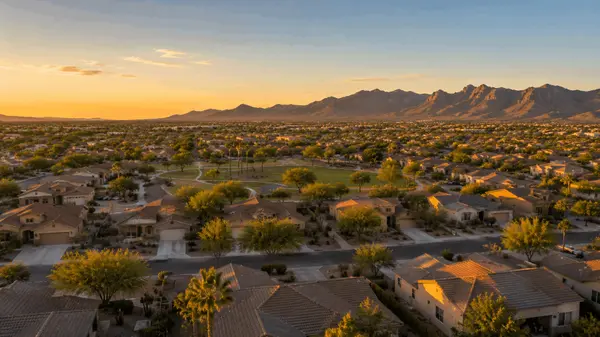
Top Master-Planned Communities in Peoria AZ: Vistancia and Aloravita
Peoria's master-planned communities give buyers something the wider West Valley does not always offer: housing, recreation, and everyday amenities designed together rather than bolted on over time. Two stand out, Vistancia and Aloravita, and they suit quite different buyers. This guide covers what s
Moving to Peoria AZ: The Complete Relocation and Neighborhood Guide
Peoria, Arizona pairs a wide range of neighborhoods with genuine outdoor access and a location that keeps the rest of the Valley within reach. This guide covers what prospective residents actually need before relocating: how the neighborhoods differ, what the housing market looks like, how schooling