
Cost of living is one of the first things people weigh when deciding where to settle. In Peoria and Glendale, Arizona, housing, taxes, and routine expenses all feed into how affordable daily life actually feels. This guide walks through what shapes the cost of living in these two West Valley cities: housing and rental costs, the local tax picture, utilities, groceries, transportation, and childcare. Because these figures move constantly, the aim here is to explain what to budget for and where to check current numbers, rather than quote a snapshot that will be out of date by the time you read it.
What Shapes Housing Prices and Rental Rates in Peoria and Glendale AZ?
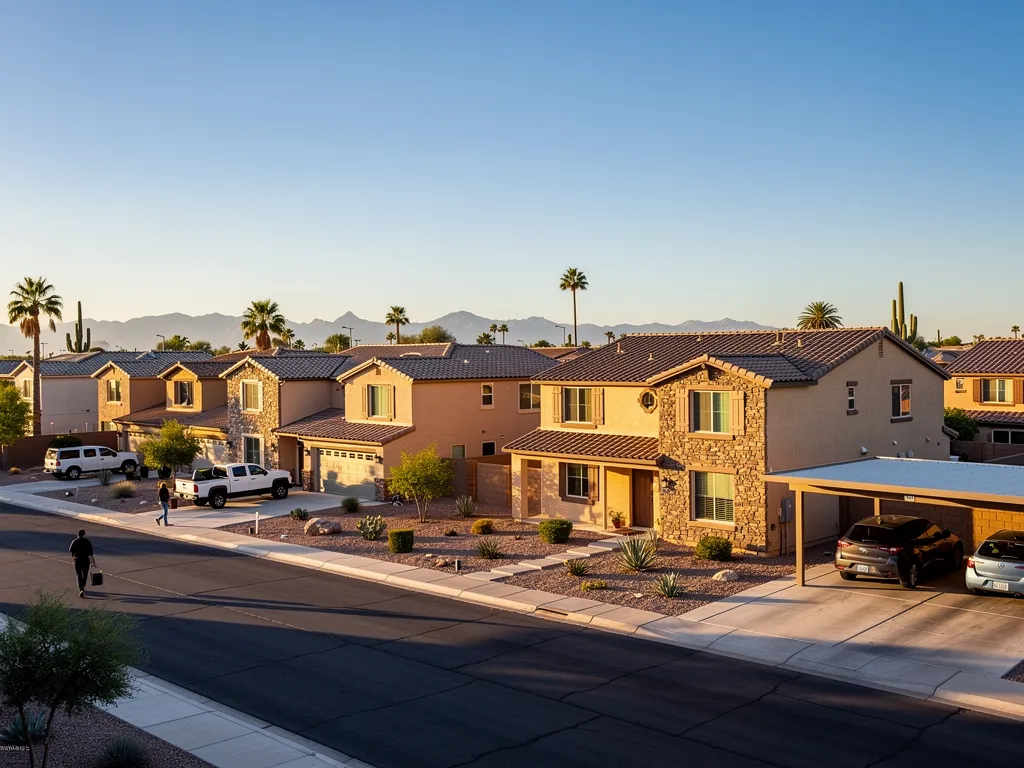
Housing is the single largest line item in most household budgets, so it is the right place to start. Prices and rents across Peoria and Glendale respond to population growth, new employers moving into the West Valley, inventory levels, and mortgage rates. Because all four move independently, the honest answer to "what does a home cost here" is that it depends on the neighborhood and the month. The most reliable way to get a current figure is a live market snapshot for the specific area you are considering.
How Do West Valley Market Trends Affect Prices?
The West Valley has seen sustained demand, driven by population growth and steady commercial development. That demand tends to push prices upward over time, though the pace varies year to year and can flatten or reverse when rates climb. Rather than anchoring to a headline percentage, buyers and sellers are better served watching inventory and days-on-market in their own price band, which turn well before averages do.
How Much Do Prices Vary Between Neighborhoods?
Prices and rents vary widely across both cities, and that variation is usually larger than the difference between the cities themselves. Newer master-planned communities generally command more than older established pockets, while homes backing golf course or lake frontage sit at the top of their local range. In Glendale, Arrowhead Ranch is a useful reference point for the upper-mid market; in Peoria, Terramar shows what an established master-planned neighborhood looks like. Comparing a handful of specific neighborhoods against each other tells you far more than any citywide average.
How Do Property and Sales Taxes Affect Residents in Peoria and Glendale?

Property and sales taxes meaningfully shape the overall cost of living, and they differ between the two cities. Understanding how each is calculated helps you budget accurately rather than being surprised at closing or on the first tax bill.
How Do Property Taxes Work in Arizona?
Arizona property taxes are assessed at the county level and vary by the specific tax district a home sits in, which means two homes a few miles apart can carry noticeably different bills. Rates also shift as assessed valuations change and as local funding needs move. Because of that, the only figure worth relying on is the current one for the exact parcel you are considering. Current rates and assessment rules are published by the Arizona Department of Revenue, and the county assessor can confirm the specific district for any address.
How Do Sales Taxes Contribute to Living Expenses?
Combined sales tax rates in Arizona stack state, county, and city portions, so the total differs between Peoria and Glendale and changes when any of those layers is adjusted. For most households the practical effect is modest but steady, showing up across everyday purchases rather than in one large bill. If you are comparing the two cities closely, check each city's current published rate directly, since these are updated periodically.
What Should Families Budget for Utilities and Groceries?

Utilities and groceries are the recurring costs that most shape how a budget feels month to month, and both deserve realistic planning.
What Drives Utility Costs in the West Valley?
Summer cooling dominates utility bills across the Phoenix metro, which means West Valley households typically see a pronounced seasonal swing rather than a flat monthly figure. Home size, insulation quality, HVAC age, and pool ownership all move the number substantially. When comparing homes, ask for actual twelve-month utility history rather than an estimate, since the spread between an efficient newer build and an older home can be considerable.
How Do Grocery Costs Affect Household Budgets?
Grocery costs have risen across the country in recent years, and Peoria and Glendale have followed the national pattern. What a family actually spends depends heavily on household size and shopping habits. Current national price trends are tracked by the Bureau of Labor Statistics, which is a more reliable reference than any single quoted monthly figure.
How Affordable Are Transportation and Childcare Compared to Greater Phoenix?
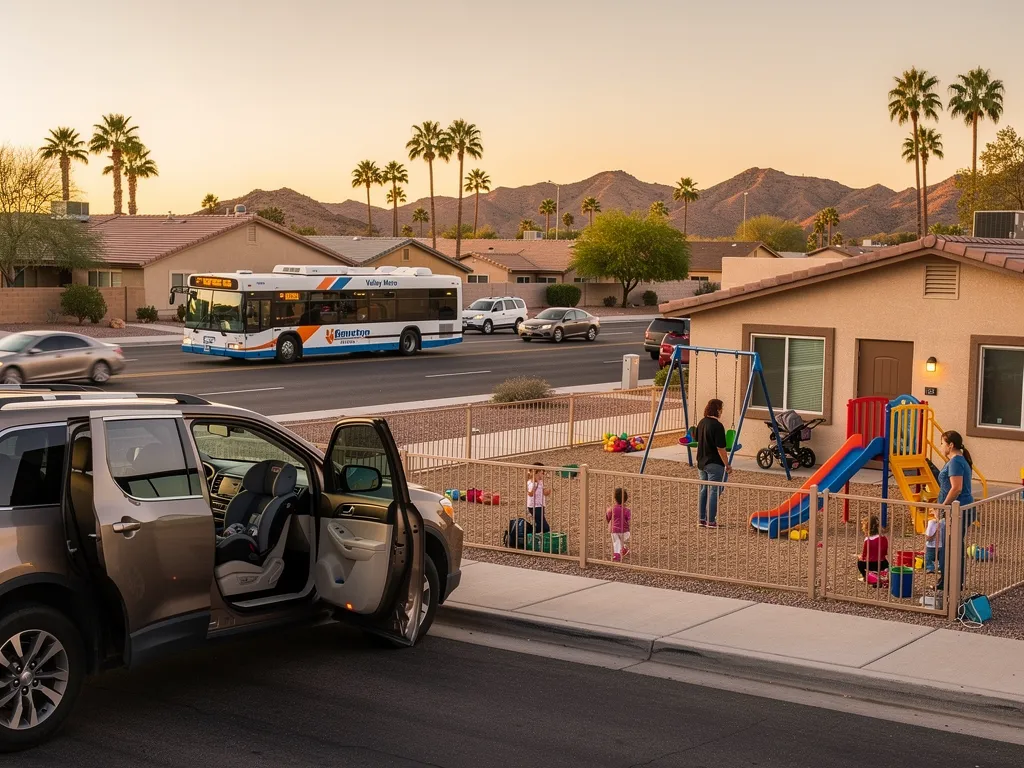
Transportation and childcare are the two costs most likely to be underestimated, particularly by households relocating from a denser metro.
What Public Transit Options Serve West Valley Phoenix?
Valley Metro operates bus service across the West Valley, with light rail serving the central Phoenix corridor. Coverage in the West Valley is lighter than in the urban core, so most households here plan around car ownership, and commute distance becomes a real budget factor. If transit access matters to you, check current routes and fares directly with Valley Metro and confirm service near any address before committing.
How Do Childcare and Healthcare Costs Influence Budgeting?
Childcare is often the largest expense after housing for families with young children, and rates vary widely by provider, age of child, and whether care is full or part time. Healthcare premiums depend on employer coverage and plan selection. Both are worth pricing specifically for your own situation early in a move, because assumptions carried over from another state are frequently wrong in both directions.
Which Neighborhoods Are Most Affordable for Buyers and Renters?
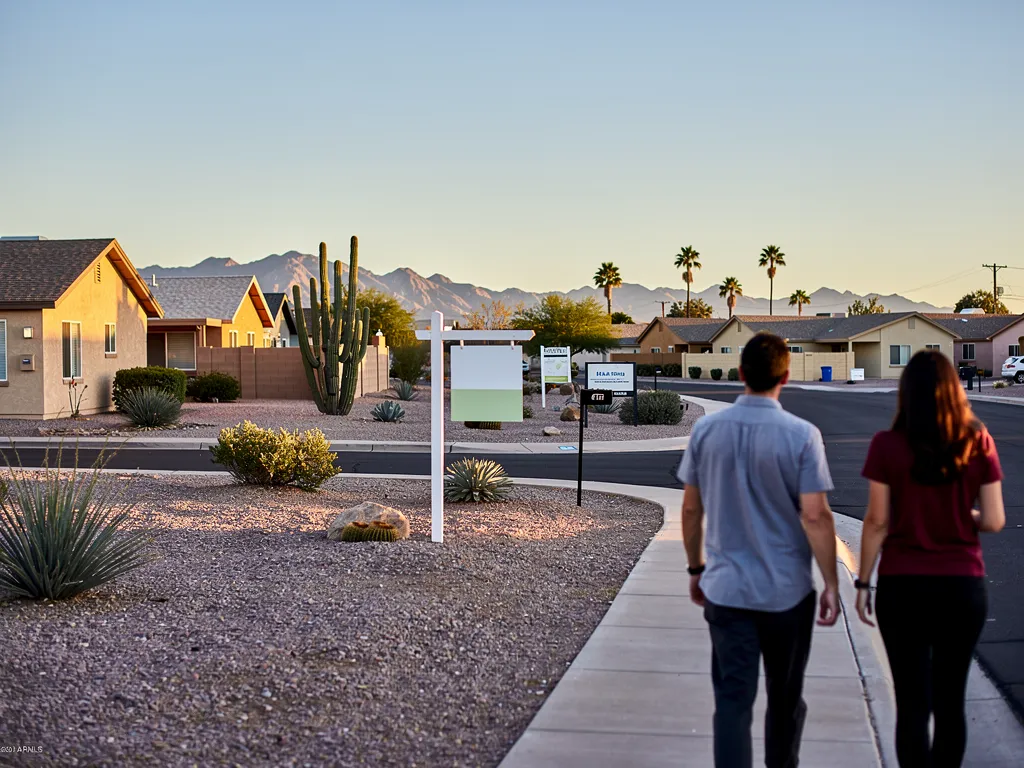
Finding the affordable pockets matters more than picking between the two cities, since the range within each is wide.
How Do Housing Costs Compare Across West Valley Neighborhoods?
Older established neighborhoods and areas further from the newest development generally offer lower entry prices than recent master-planned communities. Age-restricted communities often price differently again. Tax districts vary alongside this, so an apparently cheaper home can carry a higher annual bill, which is worth checking before you decide. Browsing current listings across both cities side by side is the fastest way to see where your budget actually reaches.
What Makes Some Areas More Cost-Effective?
Affordability usually comes down to a trade: distance from employment centers, age of housing stock, lot size, or amenity level. Areas near parks, schools, and shopping tend to hold value well and attract families, which is why the cheapest option is not always the best value over a longer hold. Weighing commute time and expected length of stay against purchase price gives a more honest picture than sticker price alone.
How Can Residents Save on Living Expenses in Peoria and Glendale?
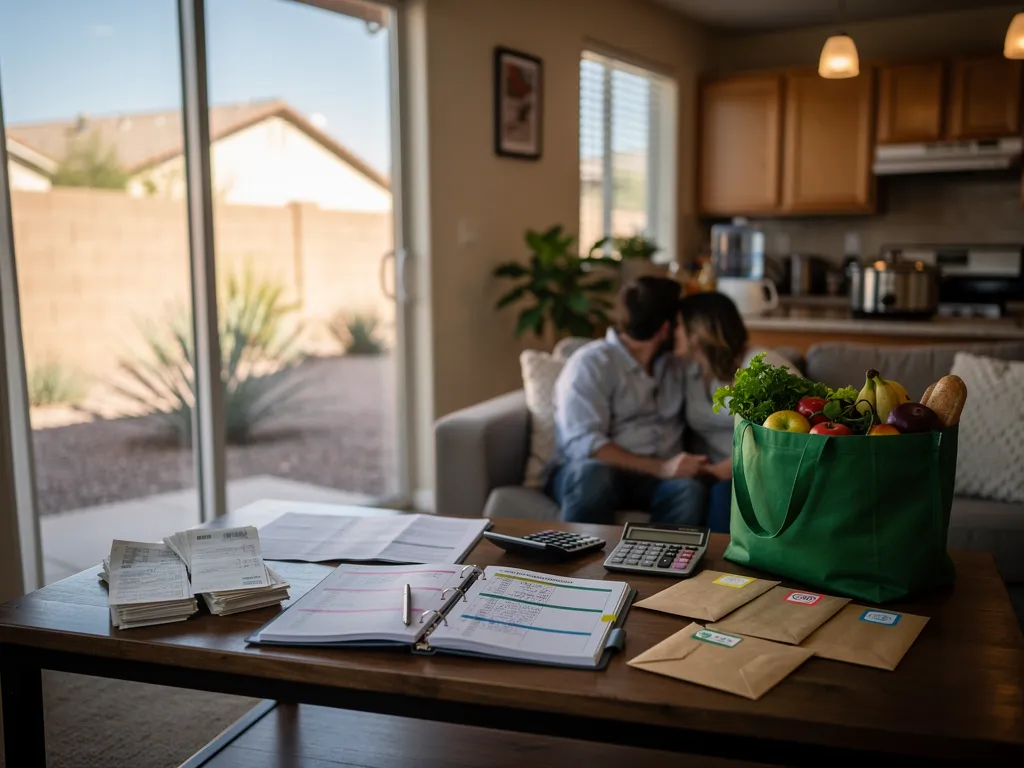
A few practical habits meaningfully improve month-to-month financial stability in this market.
How Does Understanding Tax and Utility Trends Help?
Knowing when property valuations are reassessed and how utility rates move seasonally lets you budget ahead rather than react. Anticipating the summer cooling spike alone prevents the most common budgeting surprise for people new to Arizona.
What Are Practical Ways to Reduce Housing and Grocery Costs?
- Negotiate Rent: Renewal terms are often more flexible than tenants assume, especially outside peak season.
- Use Local Discounts: Store loyalty programs and seasonal promotions add up across a year.
- Plan Meals Ahead: Meal planning cuts food waste, which is where a surprising share of grocery spend disappears.
- Improve Energy Efficiency: Better insulation, shade, and an efficient HVAC system pay back steadily in an Arizona summer.
If you are weighing a move within the West Valley, knowing what your current home is worth is a sensible starting point. A free home valuation gives you the number the rest of the budget depends on.
FROM OUR BLOG
Sun City, Arizona Area Guide: Homes, Recreation & Community Life
Sun City, Arizona, brings together established neighborhoods, golf, recreation, and a long tradition of active-adult community life. For buyers, the appeal starts with choosing a home and a daily routine that work together: the space you want, the activities you enjoy, and the places you visit. I'm
Buying New Construction in North Phoenix and the West Valley: Questions for the Builder
Purchasing a new construction home can be exciting and daunting at once, especially in fast-growing areas like Peoria and North Glendale, Arizona. Buyers face distinct challenges and opportunities, from builder incentives to financing built specifically for new builds. This guide walks through the i
Selling Your Home in North Glendale or Peoria: Preparation, Pricing, and Marketing
Selling a home in North Glendale or Peoria begins with your property, timeline, and goals. Review the home's condition, relevant comparisons, and the preparation and marketing options before choosing a list price or committing to major work. How Can Effective Home Staging Boost Your Sale Price in Pe